
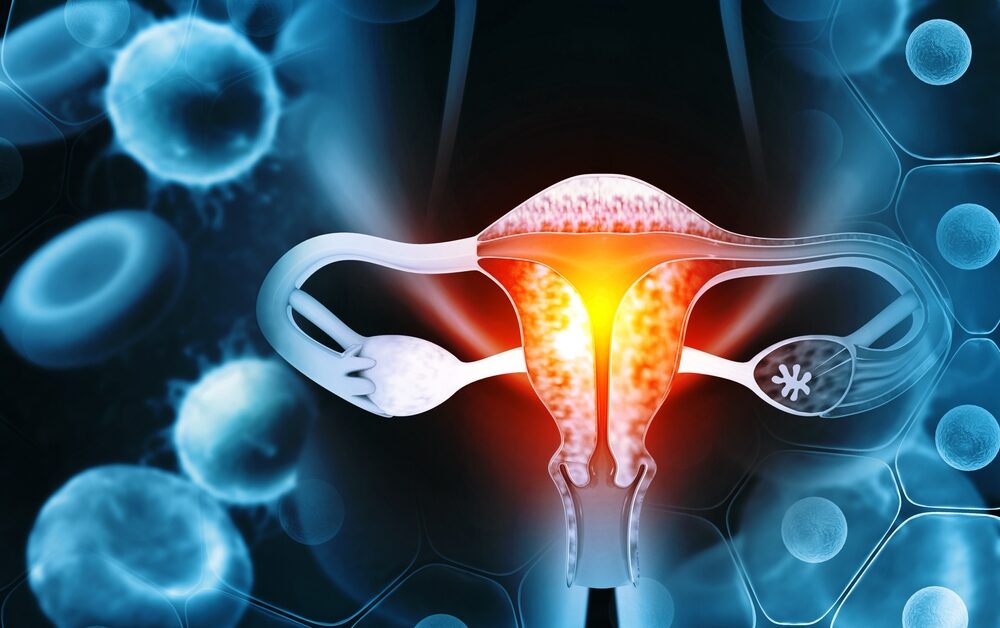
 A key component of female fertility that is beginning to reveal its secrets
Despite playing a central role in human reproduction, the endometrium has remained a largely understudied tissue for decades. While it is essential for embryo implantation, it is also remarkable for its ability to renew itself cyclically in response to hormonal signals. It not only supports the earliest stages of pregnancy, but also stands out as one of the few examples in the human body of complete and repeated regeneration throughout a woman’s reproductive life.
In recent years, significant progress has been made in understanding the biology of the endometrium, particularly the mechanisms that drive its regeneration after each menstrual cycle. It is now known that this regenerative capacity lies in a stem cell niche located in the basal layer of the endometrium—an insight that has opened a new field of research with major clinical implications.
Endometrial Regeneration: A Therapeutic Opportunity
The healthy human endometrium is a dynamic tissue that undergoes monthly cycles of proliferation, differentiation, shedding, and regeneration in response to hormonal fluctuations. This extraordinary regenerative ability is attributed to a population of resident stem cells in the basal layer, which remains intact after menstruation and serves as the source for rebuilding the functional layer.
Damage or dysfunction of this stem cell niche—whether caused by infections, invasive gynecological procedures, or chronic inflammation—can disrupt endometrial homeostasis and lead to abnormal repair, including fibrosis, atrophy, or intrauterine adhesions. These changes compromise not only the structure of the endometrium but also its receptivity and function, often resulting in impaired fertility.
Asherman’s Syndrome: When the Endometrium Fails to Regenerate
One of the most illustrative examples of impaired endometrial regeneration is Asherman’s syndrome, a condition characterized by intrauterine adhesions that prevent the development of functional endometrial tissue. In most cases, it arises as a complication of surgical interventions and has serious consequences for both menstruation and fertility.
Conventional treatment—surgical removal of adhesions via hysteroscopy—offers only short-term relief, as it rarely achieves full restoration of endometrial architecture and function. The high recurrence rate and persistent endometrial atrophy highlight the urgent need for more effective regenerative approaches.
CD133+ Cell Therapy: An Innovative Strategy in Clinical Development
To address this unmet medical need, the Carlos Simon Foundation has developed an advanced therapy based on CD133+ bone marrow-derived stem cells, with the potential to regenerate the endometrium in patients with Asherman’s syndrome.
These cells are selected for their angiogenic and regenerative properties. They are collected through autologous apheresis, processed under GMP-compliant conditions, and reintroduced into the uterus via catheter. This approach aims to restore a functional and receptive endometrial environment, enabling the tissue to regenerate and respond more effectively to reproductive interventions.
Currently in Phase II clinical trials, this therapy has shown promising preliminary results in terms of safety, endometrial thickening, menstrual recovery, and positive reproductive outcomes. A Phase III trial is scheduled for 2026 to more robustly assess its efficacy and move toward regulatory approval and market entry.
A New Perspective on the Endometrium as a Regenerative Organ
Asherman’s syndrome highlights the importance of rethinking the endometrium not just as a reactive tissue, but as a regenerative organ with emerging therapeutic applications. The identification and characterization of cells with regenerative capacity—and the ability to harness them for clinical purposes—represent a paradigm shift in reproductive medicine.
At the Carlos Simon Foundation, we are committed to transforming biomedical knowledge into clinical solutions for women. Once overlooked in most medical textbooks, the endometrium is now recognized as one of the most promising tissues in the field of personalized regenerative medicine.
Learn more about our research at: https://carlossimonfoundation.com/research/endometrial-regenerative-therapies/