
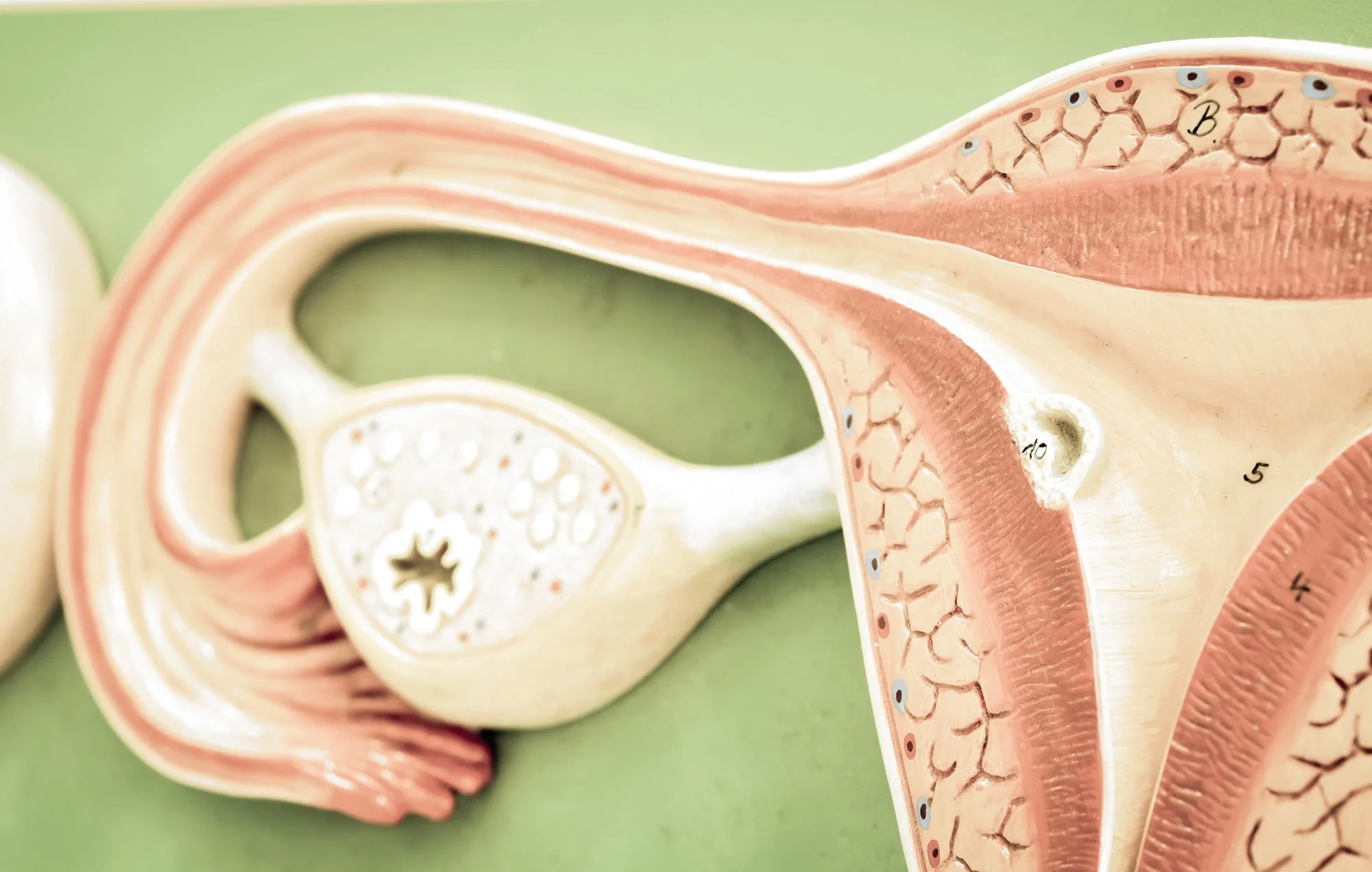
Aging is an inevitable process that affects all cells in the body, but in the case of the ovaries, it occurs much earlier than in other organs. After the age of 35, the quality and quantity of oocytes decline significantly, reducing the chances of pregnancy and increasing the risk of genetic abnormalities. Until recently, this process was considered irreversible. However, epigenetics—the field that studies how environmental and other factors can modify gene expression without altering the DNA sequence—has opened new possibilities for understanding and potentially reversing ovarian aging.
At the Carlos Simon Foundation, the CAROLINA Project is investigating how epigenetic changes affect ovarian function and how partial cellular reprogramming could restore ovarian activity, prolonging fertility and improving reproductive health. This research, led by Dr. Felipe Vilella and Dr. Ana Monteagudo, has received a competitive grant from the Carlos III Health Institute, co-funded by FEDER funds, with a total allocation of €190,000. The project is conducted in collaboration with INCLIVA to advance scientific discoveries in this field.
How Does Epigenetics Influence Ovarian Aging?
Unlike genetic changes, which permanently alter the DNA sequence, epigenetic modifications regulate gene activity without modifying their structure. These chemical tags, such as DNA methylation and histone modifications, act as molecular switches that can activate or deactivate specific genes.
In the ovaries, epigenetics plays a crucial role in regulating oocyte function and its surrounding environment. However, with aging, these regulatory mechanisms become disrupted:
- Loss of protective epigenetic marks: Studies show that as the ovaries age, certain epigenetic modifications that help maintain DNA stability disappear. This results in genomic instability, affecting oocyte quality.
- Activation of genes linked to aging and cellular stress: Factors such as oxidative stress can trigger epigenetic changes that promote inflammation and cellular degeneration in the ovaries.
- Alterations in gene expression in ovarian support cells: Granulosa and theca cells, which are essential for oocyte nourishment and protection, also undergo epigenetic changes that impair their function, ultimately compromising oocyte viability.
Can We Reverse These Changes? Epigenetic Reprogramming as a Solution
The CAROLINA Project aims to unravel the mechanisms of ovarian aging and develop innovative strategies to prevent or reverse this process. Specifically, our research team is focusing on partial cellular reprogramming, a technique that can reactivate key genes involved in cellular rejuvenation without altering the identity of the cell.
The main objectives of the CAROLINA Project include:
- Developing and optimizing partial reprogramming in the ovary to assess its impact on ovarian function.
- Generating a molecular roadmap of cellular changes after reprogramming, identifying the genes and processes involved in rejuvenation.
- Applying an ovarian perfusion-based approach to deliver reprogramming factors in a controlled manner, enhancing treatment efficacy while minimizing side effects.
Cutting-Edge Technologies in This Research
To conduct this study, our team is leveraging state-of-the-art technologies, including:
- Single-cell sequencing (scRNA-seq and scATAC-seq), which allows for precise analysis of how different ovarian cell types age.
- Ex vivo ovarian perfusion, a technique that maintains live ovaries outside the body to test therapies before applying them to patients.
- CRISPR-activation (CRISPRa), a technology that selectively activates specific genes without modifying the DNA sequence.
A Future with More Reproductive Options
Advancements in epigenetics and cellular reprogramming could revolutionize reproductive medicine. If ongoing research confirms the effectiveness of this approach, in the future, we may:
- Improve oocyte quality in women with low ovarian reserve.
- Increase the success rate of fertility treatments without the need for egg donation.
- Explore the possibility of delaying menopause and its associated health effects.
At the Carlos Simon Foundation, we remain at the forefront of reproductive health research, exploring new solutions for age-related infertility. To learn more about the CAROLINA Project and its latest developments, visit our website: https://carlossimonfoundation.com/research/carolina-project/