Scientific Report 2024
Discover our impact this year
Live imaging of a human embryo during the hatching process. Plachta Lab.
Letter from the President
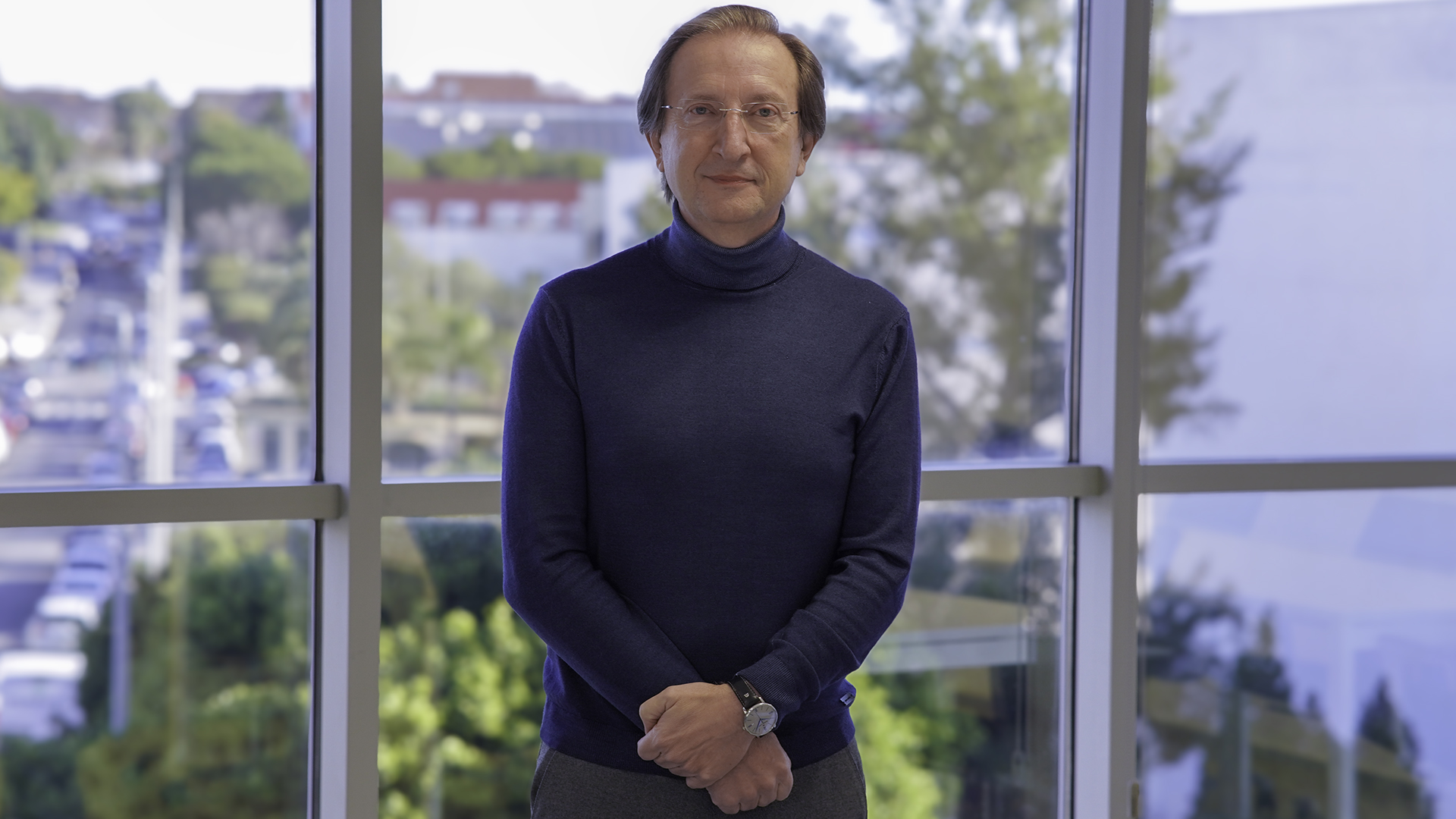
Reproductive health continues to raise important questions: How can we better diagnose gynecological conditions? How can we improve existing treatments? At the Carlos Simon Foundation, we seek not only answers, but real solutions. In 2024, we expanded our research, embraced new technologies, launched new projects, and strengthened collaborations with leading research groups to ensure science has a tangible impact on women’s lives.
This report reflects that effort and our ongoing commitment to the future. Thank you to everyone who makes it possible. We keep moving forward.
Carlos Simon
President of the Carlos Simon Foundation
Our Mission and Core Pillars
We believe in science that goes beyond the lab and reaches people. Our mission is to improve women’s health, and it stands on three core pillars:
Biomedical Research
We conduct excellent biomedical research in women’s health
Clinical Translation
We transform scientific knowledge from the lab into clinical and societal applications
Education
We pass on our knowledge and institutional culture to the next generation
2024 in Numbers
In 2024, we continued our research activity through pioneering projects, thanks to institutional support, a dedicated team, and the funding that allowed us to keep advancing reproductive health.



Team and Talent
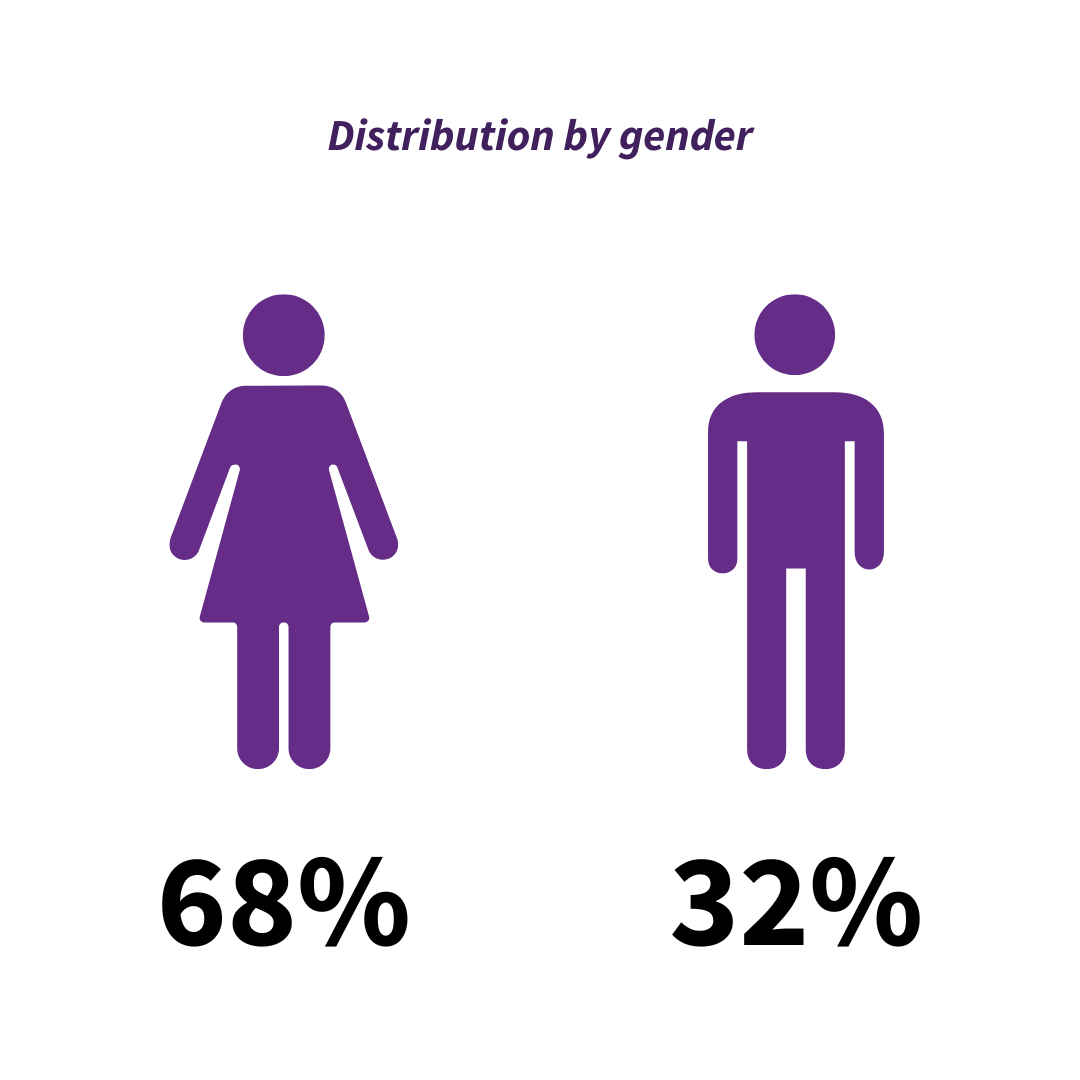
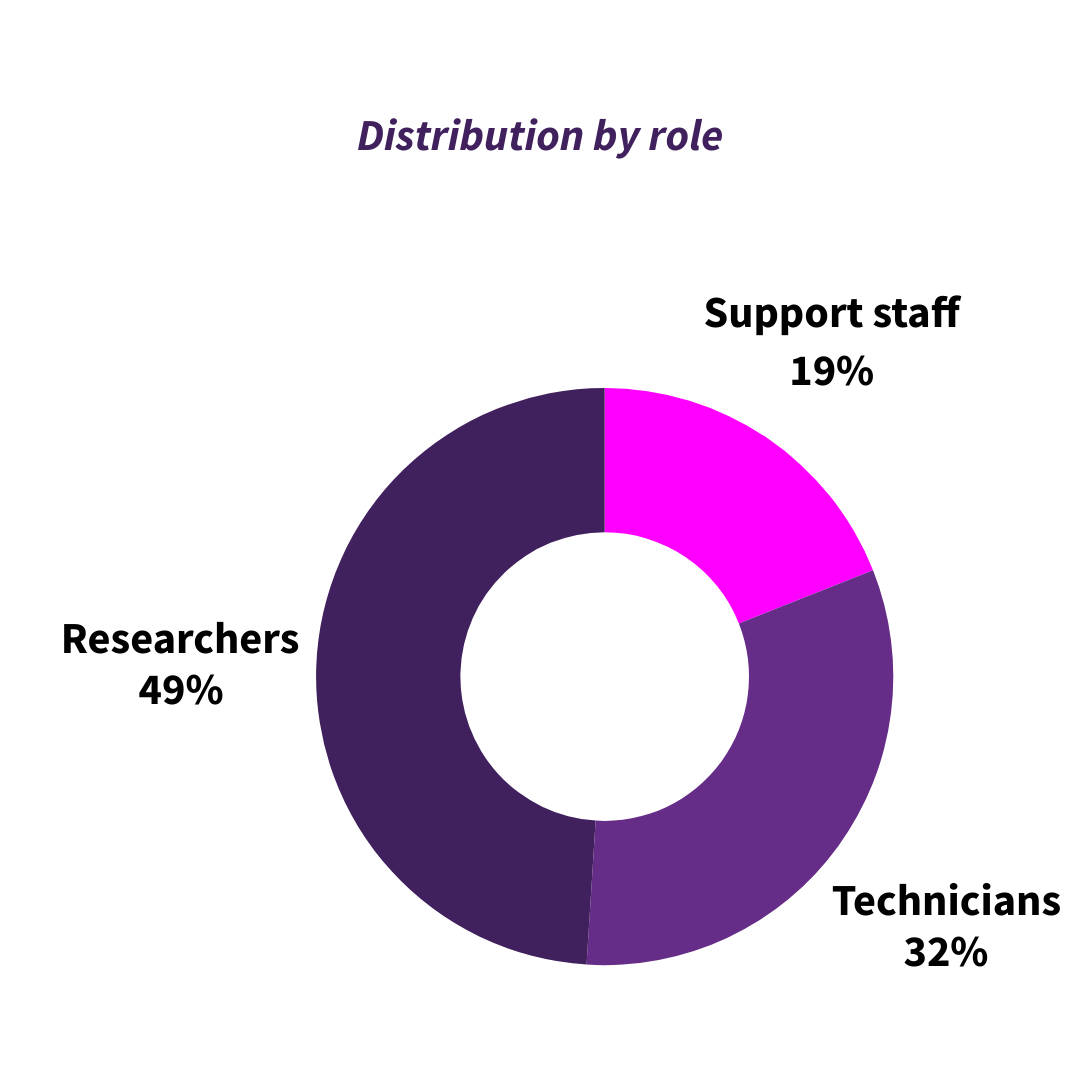
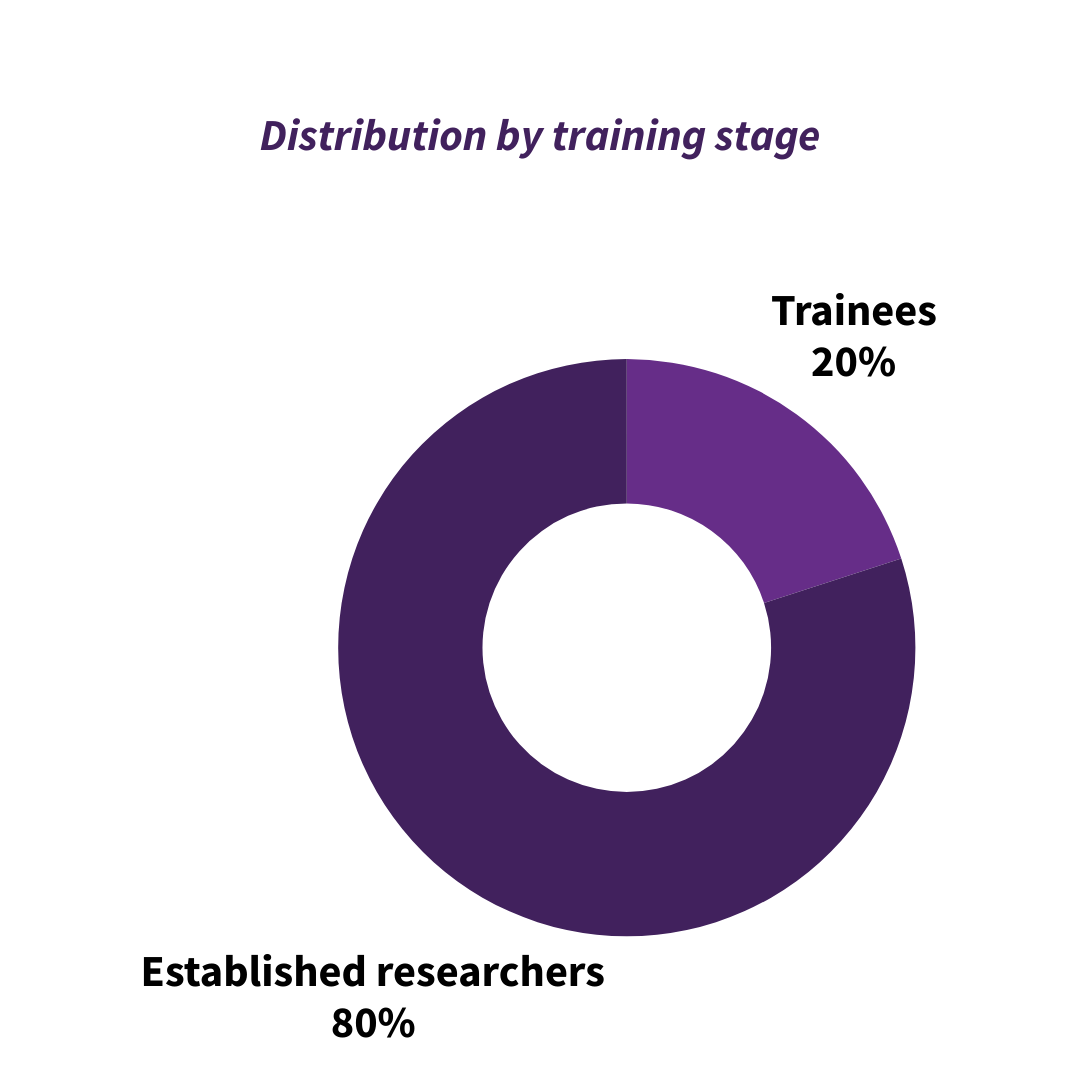
The Carlos Simon Foundation is more than a research center: it’s a talent ecosystem. Our multidisciplinary team of 34 professionals is united by a shared commitment to transforming reproductive health.
Funding
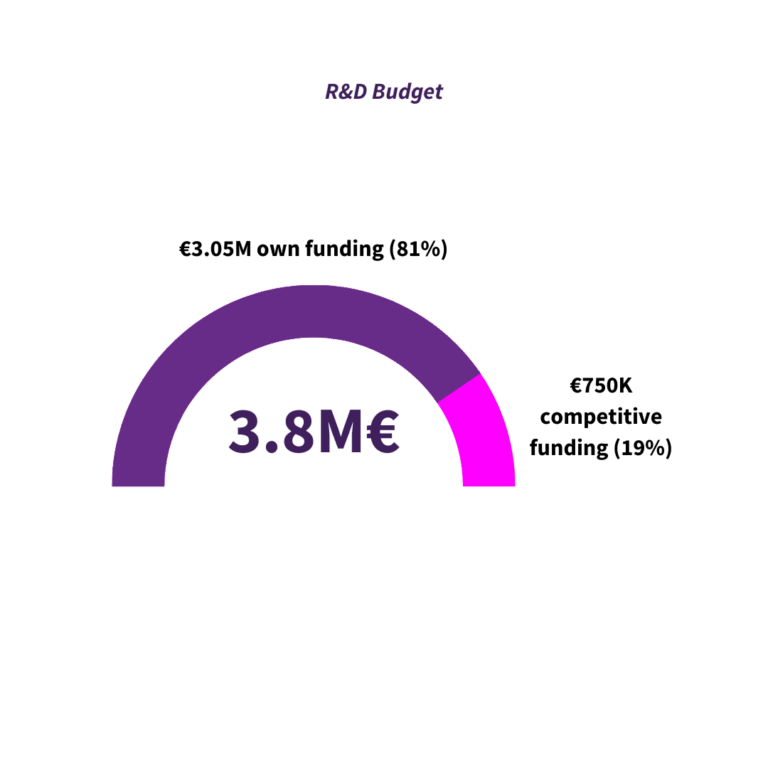
Thanks to the funding received in 2024, we launched new research lines and strengthened strategic partnerships.
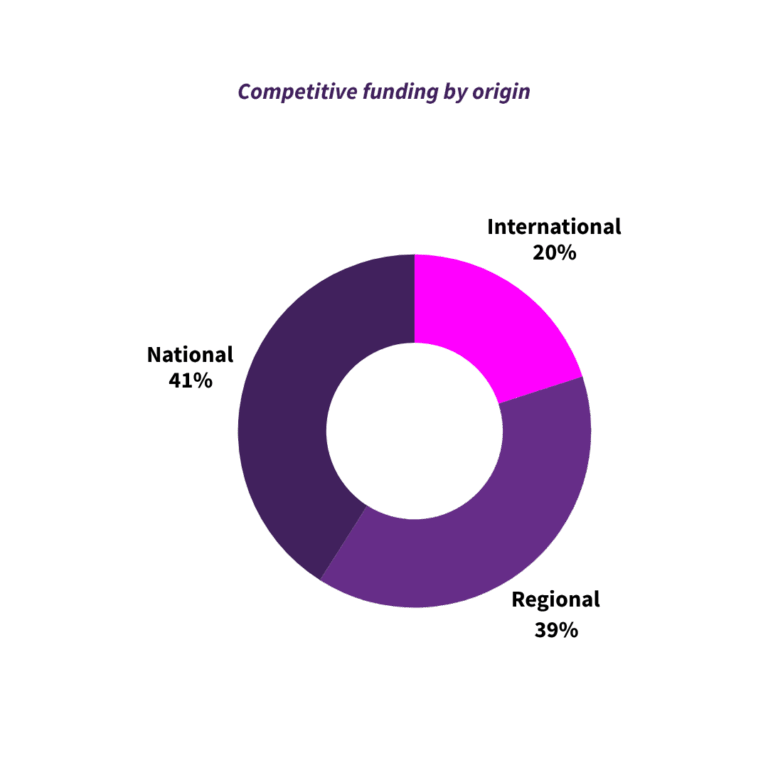
Selected projects with competitive funding in 2024:


HETEROGENEITY Project
Aims to develop a reference atlas of the tumor microenvironment in gynecological cancers to enable more precise, personalized treatments
Ref. PI23/00536
€226K
Funded by Instituto de Salud Carlos III

You can view the full list of competitively funded projects here
- Study of the impact of the endometrial microbiome on human endometrium under physiological and pathological conditions at single-cell level. Instituto de Salud Carlos III – Health Research Projects (PI) PI21/00235. PI: Inmaculada Moreno. Duration: 01/01/2022 – 30/12/2024. Funding: €169,279.00
- Transcriptomic characterization of human embryo implantation at single-cell level using a 3D endometrium in a microfluidic chip. Instituto de Salud Carlos III – Health Research Projects (PI) PI21/00528. PI: Felip Vilella. Duration: 01/01/2022 – 30/12/2024. Funding: €90,750.00
- Preventing lifetime obesity by early risk-factor identification, prognosis and intervention (EPROBES). European Commission – Horizon Europe Program 101080219-2. PIs: Carlos Simon / Felip Vilella. Duration: 01/05/2023 – 30/04/2028. Funding: €480,072.50
- Identification of progenitor cells in human endometrium and demonstration of their regenerative capacity. Agencia Estatal de Investigación (AEI) – Consolidation CNS2022-135696. PI: Felip Vilella. Duration: 01/07/2023 – 30/06/2025. Funding: €198,986.00
- Deciphering a microbial footprint leading to onset and long-term risk of preeclampsia (PREMIC). Generalitat Valenciana – PROMETEO Program CIPROM/2022/41. PIs: Carlos Simon, Tamara Garrido, Inmaculada Moreno. Duration: 01/01/2023 – 31/12/2026. Funding: €600,000.00
- Grants for attracting European or other international program projects. Generalitat Valenciana – APE 2023 CIAPE/2022/7. PI: Aymara Mas. Duration: 01/06/2023 – 31/12/2024. Funding: €9,000.00
- Identification of maternal cellular and molecular targets at single-cell level for early prediction and treatment of preeclampsia. Agencia Estatal de Investigación (AEI) – Knowledge Generation PID2022-140744OB-I00. PIs: Carlos Simon and Tamara Garrido. Duration: 01/09/2023 – 31/08/2027. Funding: €383,750.00
- Effect of CD133+ bone marrow-derived stem cells on the maternal-fetal interface in patients with Asherman Syndrome. American Society for Reproductive Medicine (ASRM) – KY Cha Award 2023. PI: Xavier Santamaría. Duration: 01/09/2023 – 31/08/2025. Funding: $18,338.53 USD
- Identification of progenitor cells in human endometrial tissue. Generalitat Valenciana – AICO 2023 CIAICO/2022/242. PI: Felip Vilella. Duration: 01/01/2023 – 31/12/2025. Funding: €90,000.00
- Tumor heterogeneity inferred by single-cell RNA sequencing: new insights into therapeutic targets of uterine tumors. Instituto de Salud Carlos III – Health Research Projects PI23/00536. PI: Aymara Mas. Duration: 01/01/2024 – 30/12/2026. Funding: €226,875.00
- Study of the molecular and epigenetic mechanisms driving ovarian aging. Generalitat Valenciana – Emerging Program CIGE/2023/217. PI: Ana Monteagudo. Duration: 16/07/2024 – 15/07/2026. Funding: €20,000.00
- Study of the impact of the endometrial microbiota on the pathogenesis of endometriosis. Ministry of Science, Innovation and Universities (MICIN) – Predoctoral FPU FPU23/02496. PI: Inma Moreno (PhD student: María Graciano). Duration: 01/12/2024 – 30/11/2028. Funding: €114,761.00
- Development of an early, non-invasive diagnostic model for ovarian cancer based on global genomics/transcriptomics and circulating tumor DNA. Generalitat Valenciana – Predoctoral Fellowship ACIF 2021 ACIF/2021/348. PI: Aymara Mas (PhD student: Paula Punzón). Duration: 01/10/2021 – 30/09/2025. Funding: €93,878.00
- Identification of maternal cellular and molecular targets at single-cell level for early prediction and treatment of preeclampsia. Agencia Estatal de Investigación (AEI) – Predoctoral FPI PREP2022-000534. PIs: Carlos Simon and Tamara Garrido (PhD student: Carla Montagud). Duration: 01/03/2024 – 29/02/2028. Funding: €76,750.00
Research Lines
Scientific Publications
In 2024, we published 6 scientific papers in indexed journals, 5 of which were in D1. These results reflect the quality and relevance of our research.
Featured publication:
You can view the full list of publications here
- López-Martínez S, Simón C, Santamaria X. Normothermic Machine Perfusion Systems: Where Do We Go From Here?. Transplantation. 2024 Jan 1;108(1):22-44. doi: 10.1097/TP.0000000000004573. Epub 2023 Dec 13. Review. PubMed PMID: 37026713.
- Punzon-Jimenez P, Machado-Lopez A, Perez-Moraga R, Llera-Oyola J, Grases D, Galvez-Viedma M, Sibai M, Satorres-Perez E, Lopez-Agullo S, Badenes R, Ferrer-Gomez C, Porta-Pardo E, Roson B, Simon C, Mas A. Effect of aging on the human myometrium at single-cell resolution. Nat Commun. 2024 Jan 31;15(1):945. doi: 10.1038/s41467-024-45143-z. PubMed PMID: 38296945; PubMed Central PMCID: PMC10830479.
- Loid M, Obukhova D, Kask K, Apostolov A, Meltsov A, Tserpelis D, van den Wijngaard A, Altmäe S, Yahubyan G, Baev V, Saare M, Peters M, Minajeva A, Adler P, Acharya G, Krjutškov K, Nikolova M, Vilella F, Simon C, Zamani Esteki M, Salumets A. Aging promotes accumulation of senescent and multiciliated cells in human endometrial epithelium. Hum Reprod Open. 2024;2024(3):hoae048. doi: 10.1093/hropen/hoae048. eCollection 2024. PubMed PMID: 39185250; PubMed Central PMCID: PMC11344589.
- Sakkas D, Navarro-Sánchez L, Ardestani G, Barroso G, Bisioli C, Boynukalin K, Cimadomo D, Frantz N, Kopcow L, Andrade GM, Ozturk B, Rienzi L, Weiser A, Valbuena D, Simón C, Rubio C. The impact of implementing a non-invasive preimplantation genetic testing for aneuploidies (niPGT-A) embryo culture protocol on embryo viability and clinical outcomes. Hum Reprod. 2024 Sep 1;39(9):1952-1959. doi: 10.1093/humrep/deae156. PubMed PMID: 39059790.
- Ardestani G, Banti M, García-Pascual CM, Navarro-Sánchez L, Van Zyl E, Castellón JA, Simón C, Sakkas D, Rubio C. Culture time to optimize embryo cell-free DNA analysis for frozen-thawed blastocysts undergoing noninvasive preimplantation genetic testing for aneuploidy. Fertil Steril. 2024 Sep;122(3):465-473. doi: 10.1016/j.fertnstert.2024.04.037. Epub 2024 May 7. PubMed PMID: 38718960.
- Bellver J, Gonzalez-Monfort M, González S, Toson B, Labarta E, Castillón G, Mariani G, Vidal C, Giles J, Cruz F, Ballesteros A, Ferrando M, García-Velasco JA, Valbuena D, Vilella F, Parras-Molto M, Tercero-Atencia E, Simon C, Moreno I. An Analysis of the Digestive and Reproductive Tract Microbiota in Infertile Women with Obesity. Int J Mol Sci. 2024 Nov 23;25(23). doi: 10.3390/ijms252312600. PubMed PMID: 39684312; PubMed Central PMCID: PMC11641297.
Participation in Scientific Conferences
We took part in leading international congresses on reproductive medicine, presenting results and expanding scientific collaboration networks.
Highlights:
You can view the full list of conference participations here
- RMN Facility Inauguration, CIC bioGUNE. Bilbao, Spain. February. “Innovations in Reproductive Medicine. From the Bench to the Bedside.”
- XXI Peruvian and International Congress of Reproductive Medicine. Peruvian Society of Fertility; Lima, Peru. February. 2 lectures: “Endometrial diagnostic tests to improve embryo implantation in clinical practice”, “Advances in assisted reproduction: What more is possible?”
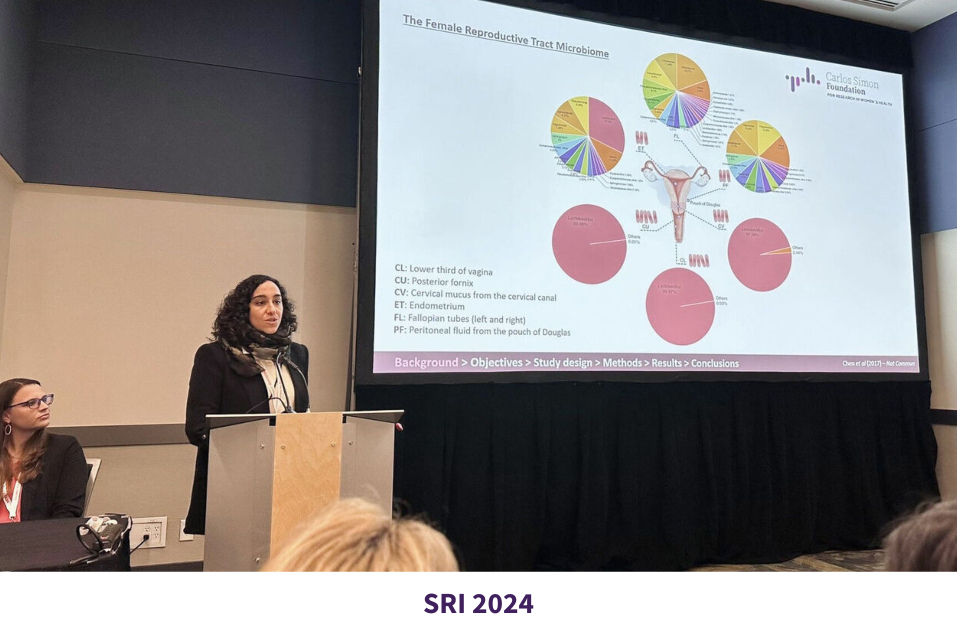
- Society for Reproductive Investigation (SRI); Vancouver, Canada. March. 2 oral communications and 1 poster.
- Grand Round Boston IVF; Quincy, Massachusetts, USA. March. Online Lecture. “What single-cell transcriptomics teach us about the endometrium in health and disease.”
- Microbes in Women’s Health Congress. Copenhagen, Denmark. April. “The Endometrial Microbiome is Associated with Reproductive Outcomes in IVF.”
- 46th International Dexeus Congress; Barcelona, Spain. April. “Looking at the microbiome.”
- 5th EBART International Congress; Barcelona, Spain. April. “The impact of endometrial dysbiosis in women with recurrent implantation failure and unexplained infertility.”
- H-ART-US (Hysteroscopy, ART and Ultrasound); Rome, Italy. April. “Embryo vs Uterus.”
- ESHRE Course – The Microbiome in Reproduction; Stockholm, Sweden. May. “The receptive endometrium: what role does the microbiome play?”
- 21st World Congress of the International Society of Gynecological Endocrinology (ISGE); Florence, Italy. May. “The endometrial microbiome – a window into reproductive health.”
- International Symposium on Patient-Friendly IVF Solutions. CHA Bio Complex, South Korea. May. “Virtual Speaker: The impact of endometrial dysbiosis in recurrent implantation failure.”
- Midwest Reproductive Symposium International (MRSi); Chicago, USA. June. “The clinical impact of the reproductive microbiome.”
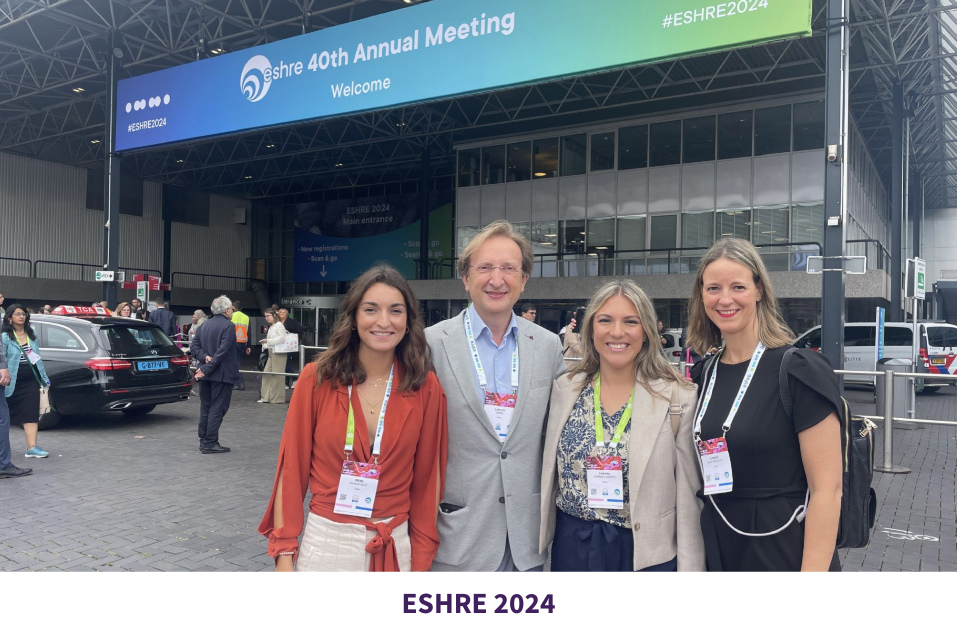
- ESHRE Annual Meeting; Amsterdam, Netherlands. July. 2 oral communications and 3 posters.
- Next Fertility Spain; Valencia, Spain. September. “Clinical relevance of the endometrial microbiome in assisted reproduction techniques.”
- II National Congress of the SEISEGO (Spanish Society of Gynecology and Obstetrics – Infertility Section); Alicante, Spain. September. “Keynote: The role of the microbiome in fertility and ART.”
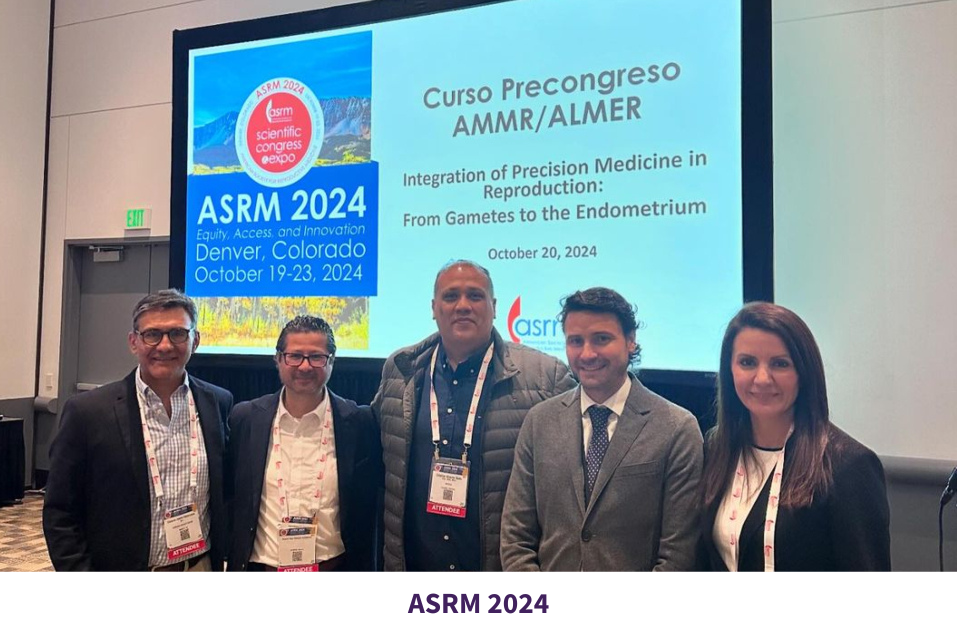
- ASRM Annual Meeting Precongress Course; Denver, USA. October. “Introduction to Precision Reproductive Medicine”, “Genotypes in endometrial receptivity assessment.” 1 oral communication and 3 posters.
- Vitrolife Symposium at ASRM; Denver, USA. October. “Unveiling the impact of the endometrial microbiome: why testing reproductive tract microbiota is crucial in infertility treatment.”
- Keynote Lecture, Middle East Fertility Society (MEFS) 31st Annual Scientific Meeting; Doha, Qatar. November. “Asherman Syndrome: Decoding its origin at single-cell level and designing advanced cell therapy.”
- CIRA Congress on Assisted Reproduction; Lima, Peru. November. “The future of reproductive medicine”, “Asherman’s Syndrome.”
Innovation and Knowledge Transfer
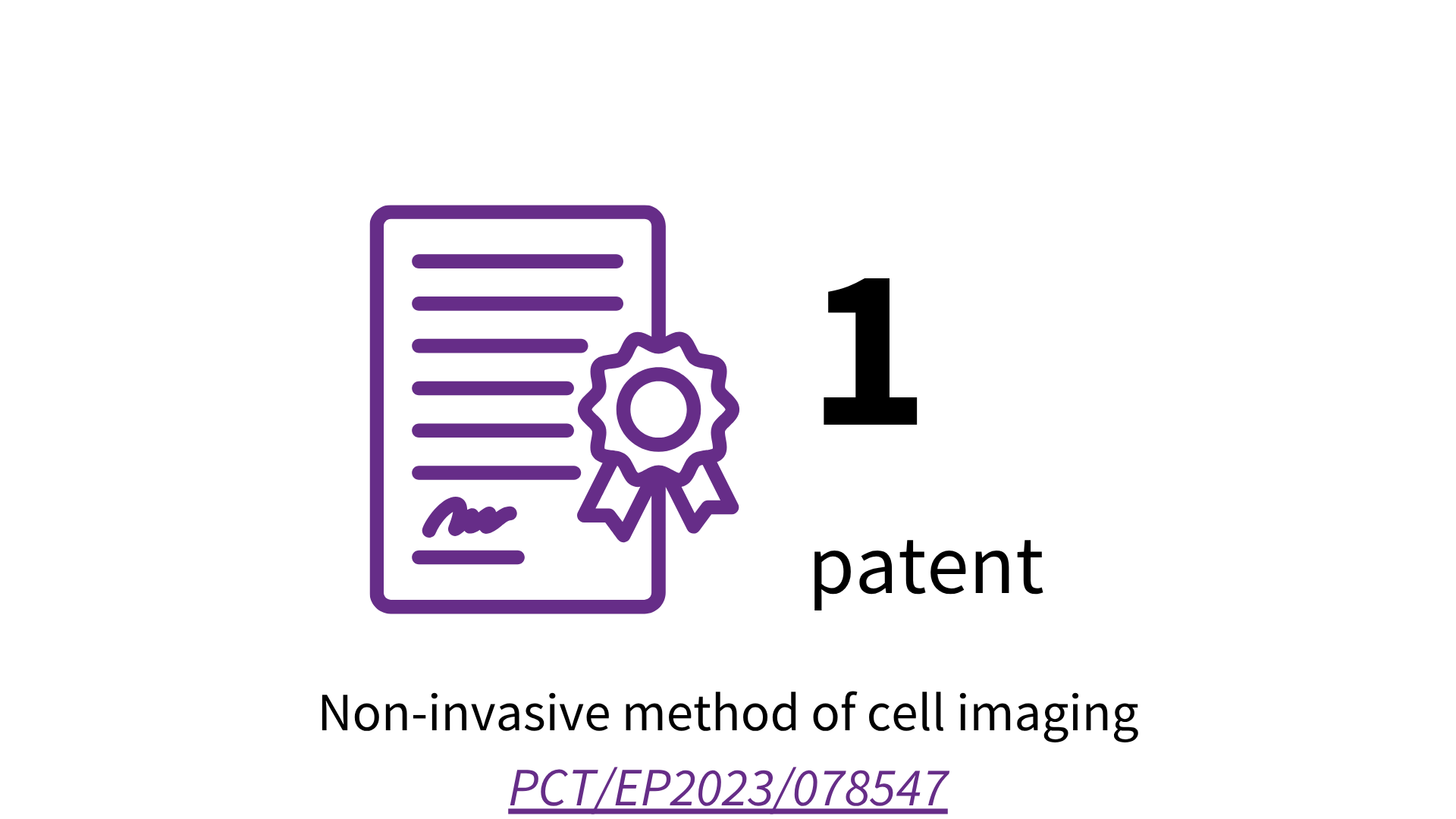
We drive the transformation of scientific knowledge into new technologies, therapies, and diagnostic tools that improve clinical practice in reproductive health.




Strategic Collaborations and Partnerships
We collaborate closely with top universities, research centers, hospitals, and biomedical companies:


Education and Training
Education fuels the future of research. The Carlos Simon Foundation not only generates knowledge but also shares it with future scientists, physicians, and reproductive medicine professionals.
In-House Training Programs
Doctoral Theses Defended
- Molecular Diagnosis of Uterine Leiomyoma by Next Generation Sequencing. Doctoral candidate: Alba Machado. Supervisors: Aymara Mas, Carlos Simon, Diana Valbuena.
- Deciphering Interactions at the Single-Cell Level of the Human Uterus Microbiome in Health and Disease. Doctoral candidate: Bruno Toson. Supervisors: Inmaculada Moreno, Carlos Simon
Media Presence and Public Impact
We have strengthened our presence in the media and on social platforms. This has helped increase our institutional visibility as a reference in reproductive health.



Our research in the media:


Awards and Recognition
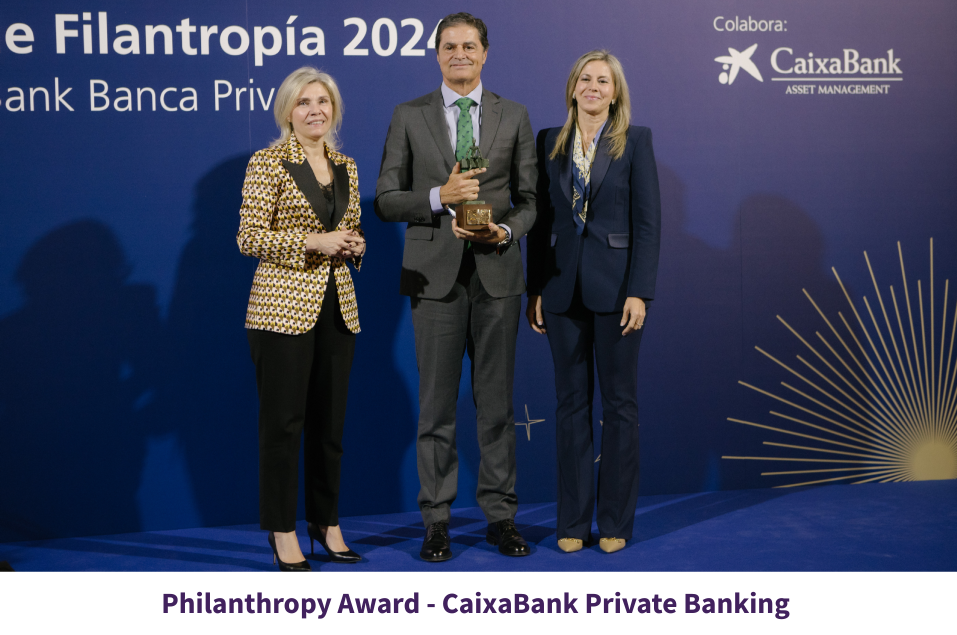
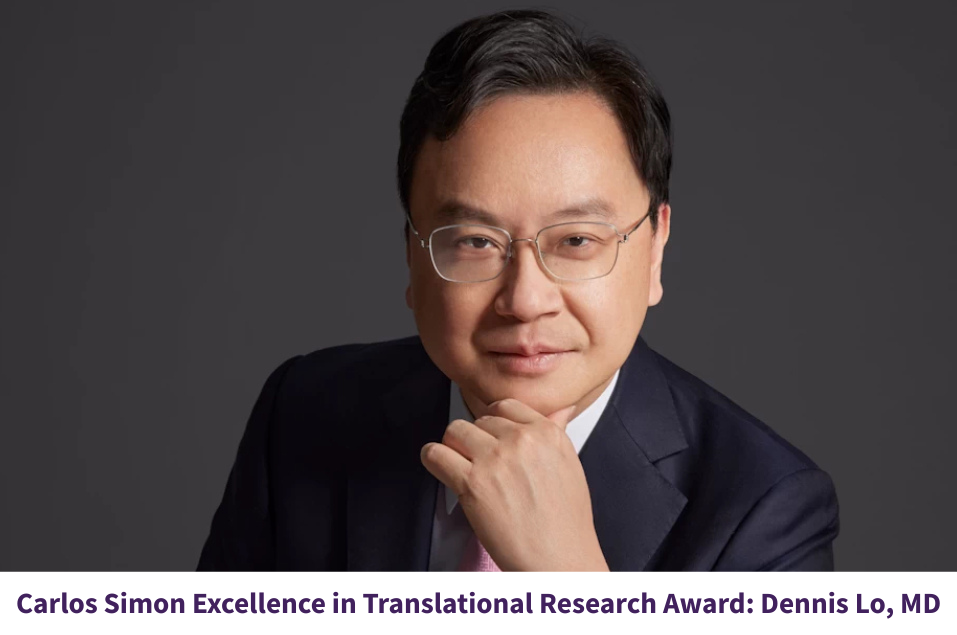
The Carlos Simon Foundation was honored with the CaixaBank Private Banking Philanthropy Award and presented the Carlos Simon Excellence in Translational Research Award to Dr. Dennis Lo for his pioneering contribution to non-invasive prenatal diagnosis.
”Each discovery brings us closer to a future where all women have access to personalized treatments for their health and well-being.
Thanks to our team, collaborators, and funders, we continue to drive science as a foundation for progress.